EasyDMARC 2026 DMARC Adoption & Enforcement Report: Insights from 1.8M Domains, the Fortune 500, and Inc. 5000​

A global look at how DMARC adoption is progressing from monitoring to enforcement, and whether organizations and their users are truly protected.

Get your copy of our
Ebook
now!

Global DMARC adoption continues to grow, but meaningful enforcement still lags behind. In this 2026 report, EasyDMARC analyzes DMARC policies across the top 1.8 million domains worldwide, along with the Fortune 500 and Inc. 5000. The findings show a clear maturity gap: large enterprises are moving further toward enforcement, while many high-growth companies remain stuck in monitoring-only mode.

52.1% of the top 1.8 million domains had valid DMARC records in early 2026, up from 29.1% in 2023 and 47.7% in 2025.
29.2% of the top 1.8 million domains used p=none in 2026, while 22.9% used enforcement policies such as p=quarantine or p=reject.
Only 8.9% of the top 1.8 million domains combined a p=reject policy with RUA aggregate reporting in 2026.
475 of the Fortune 500, or 95%, had valid DMARC records in early 2026, and more than 80% had moved to enforcement-level policies.
4,066 Inc. 5000 companies had valid DMARC records in 2026, but more than half remained at p=none.

Source: EasyDMARC analysis of the top 1.8 million domains worldwide, plus the Fortune 500 and Inc. 5000, comparing 2023, 2025, and early 2026 snapshots.

Recognizing and reporting phishing

Why this report matters

Publishing a DMARC record is no longer the real benchmark. The more important question is whether organizations have moved from monitoring to enforcement. This report shows where adoption is rising, where enforcement still lags, and which segments are making the most progress toward meaningful protection

What’s inside the 2026 report

How DMARC adoption is evolving across the global internet

See year-over-year growth in valid DMARC records across the top 1.8 million domains, and how organizations are progressing from initial deployment toward stronger policies. EasyDMARC found that valid DMARC adoption grew from 523,921 domains in 2023 to 858,782 in 2025 and 937,931 in early 2026.

Why monitoring has become a long-term holding pattern

Understand why p=none remains the most common policy globally, and why many organizations still use DMARC primarily for visibility rather than active protection. In 2026, 525,996 domains remained at p=none.

Where enforcement is gaining ground and where it is not

Compare enforcement trends across global domains, the Inc. 5000, and the Fortune 500. Enforcement-level policies rose across the global dataset from 233,249 in 2023 to 411,935 in 2026, while Fortune 500 companies significantly outpaced the Inc. 5000 in moving beyond monitoring.

How reporting adoption is expanding

Learn how aggregate DMARC reporting supports visibility into sending infrastructure, authentication failures, and policy progression. Domains configured with RUA increased from 347,602 in 2023 to 553,586 in 2026.

Why comprehensive protection remains uncommon

See how many domains combine strict enforcement with reporting, and why that remains a small portion of the total ecosystem. In 2026, only 159,691 domains met the stronger benchmark of p=reject plus RUA.

What the Fortune 500 and Inc. 5000 reveal about DMARC maturity

Explore the maturity gap between large enterprises and high-growth companies. Fortune 500 adoption reached 475 out of 500 companies, with more than 80% at enforcement-level policies, while Inc. 5000 companies showed strong adoption but slower progress toward enforcement.

What DMARC.org data suggests about global growth

See how EasyDMARC’s findings align with broader industry trends, including the impact of mailbox provider requirements, regulatory pressure, and rising phishing risk on global DMARC growth.

Practical recommendations for moving from monitoring to protection

Get concrete guidance on using reporting data, identifying legitimate sending sources, and safely progressing from p=none to p=quarantine and p=reject without disrupting legitimate email flows.

Key takeaways

DMARC adoption has become widespread, but adoption alone does not guarantee protection. Across the global domain ecosystem, many organizations have implemented DMARC records to satisfy technical requirements or maintain deliverability, yet have not progressed to policies that actively block spoofed email. The report shows that the next stage of DMARC maturity depends on helping organizations move beyond monitoring and toward stronger enforcement.


The contrast between the Fortune 500 and the Inc. 5000 makes this especially clear. Large enterprises are more likely to have the operational maturity, visibility, and internal resources needed to transition toward enforcement, while many fast-growing organizations remain cautious because of complex email infrastructures and multiple third-party sending platforms.

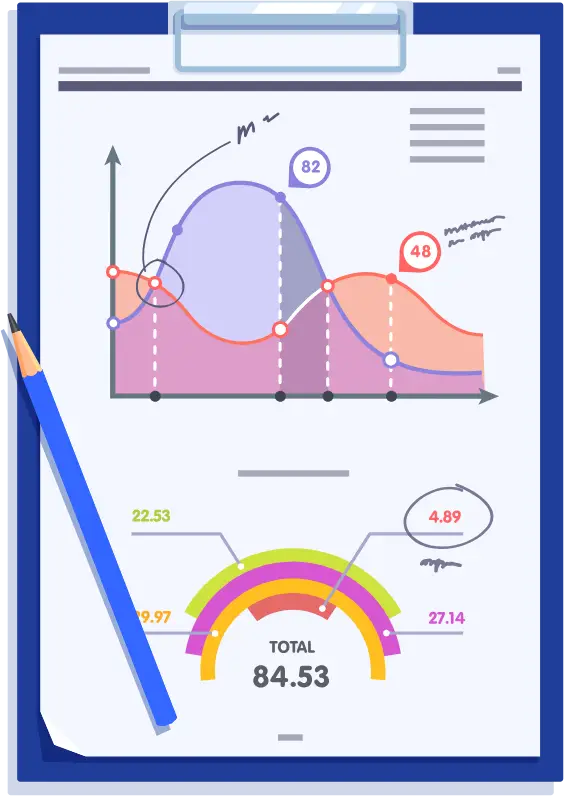
DMARC adoption methodology chart showing policy analysis and reporting trends across global domains

Methodology

EasyDMARC analyzed DMARC records for the top 1.8 million domains globally by visitor traffic, as well as companies listed in the Fortune 500 and Inc. 5000. For each domain, we identified whether a valid DMARC record was present, classified the policy as p=none, p=quarantine, or p=reject, checked for RUA aggregate reporting, and compared 2023, 2025, and early 2026 snapshots to track adoption and enforcement trends over time.

Summary Statement

Download the full 2026 DMARC Adoption and Enforcement Report to benchmark your domains against global peers, the Fortune 500, and the Inc. 5000, and build a roadmap from monitoring to enforcement.

Your copy is ready!

Check your email inbox or promotion folder.