Email Protection Explained | EasyDMARC Glossary

What is Email Protection?

Email protection refers to the set of security measures, protocols, and tools used to safeguard email accounts and communications from threats such as phishing, spoofing, and malware. It combines user awareness with technical defenses to ensure that messages are authentic, secure, and free from manipulation.


Modern email protection relies heavily on authentication protocols like SPF, DKIM, and DMARC, which verify sender legitimacy and help prevent domain misuse. Together, these measures reduce the risk of data breaches, financial fraud, and unauthorized access through email.

Email Protection Definition and Importance

The importance of email protection lies in its role as the first line of email security against phishing, spoofing, and business email compromise. Since email remains the most common entry point for cyberattacks, strong protection measures help maintain trust, protect sensitive data, and ensure business continuity.

At its core, email protection combines security protocols with user awareness. Authentication standards like SPF, DKIM, and DMARC verify that messages come from legitimate sources, while filters and monitoring tools block spam and malicious content. Together, these measures form a layered defense against evolving threats.

Common Email Security Threats

Email is a prime target for cybercriminals because it connects directly to individuals and organizations. The most common threats include:

Phishing: Fraudulent emails designed to trick recipients into revealing login details or financial information.
Email Spoofing: Forged sender addresses that make malicious messages appear to come from trusted domains.
Business Email Compromise (BEC): Highly targeted attacks where criminals impersonate executives or partners to steal money or data.
Malware and Ransomware: Malicious attachments or links that install harmful software on a user’s device.

These threats exploit human trust and technical gaps in email systems. Without proper safeguards, they can lead to financial loss, data breaches, and reputational damage.

How to Protect Your Email with SPF, DKIM, and DMARC

Strong email protection relies on authentication protocols that verify the legitimacy of messages before they reach the inbox.

SPF (Sender Policy Framework): Defines which servers are authorized to send emails on behalf of a domain.
DKIM (DomainKeys Identified Mail) Uses cryptographic signatures to ensure that email content is not altered in transit.
DMARC (Domain-based Message Authentication, Reporting, and Conformance): Builds on SPF and DKIM to specify how unauthenticated emails should be handled, such as quarantined or rejected.

When implemented together, these protocols provide a layered defense against spoofing, phishing, and domain misuse. Platforms that offer tools such as SPF and DMARC record generators, domain health checks, and detailed reporting can be useful. They make sure email authentication is configured correctly and consistently maintained, strengthening overall email protection.

Relevant Resources

Featured image for an EasyDMARC article titled
DMARC Vendors That Support Multi-Domain DMARC Monitoring
Understanding the Relationship Between Security Gateways and DMARC
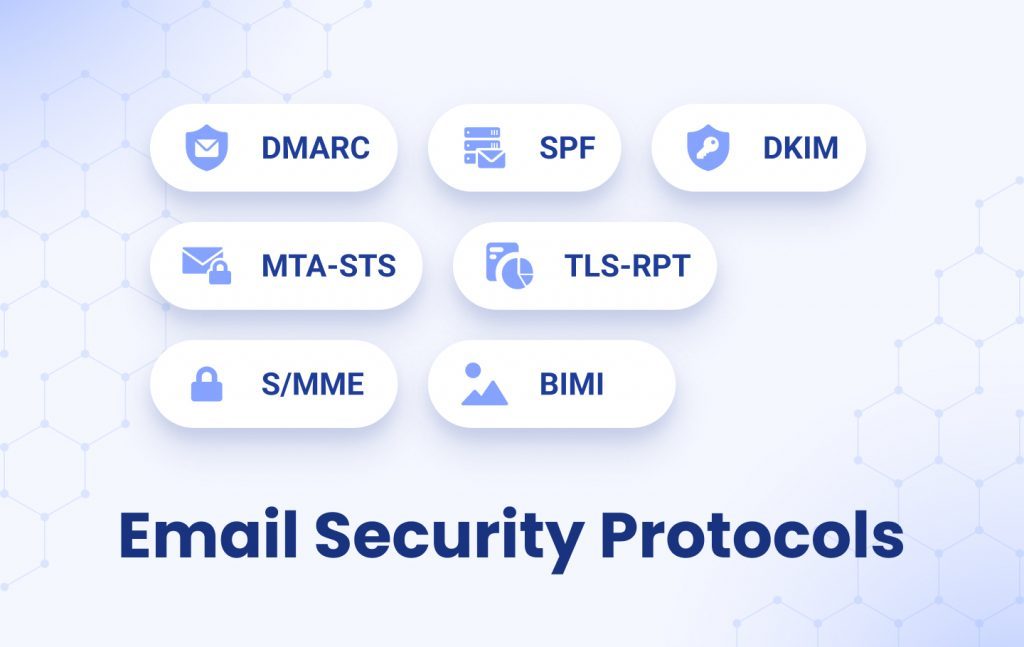
image for Email Security Protocols
Email Security Protocols and Why They’re Important
Emain security
Email Security Best Practices in 2025
.
How Safe Are Your Emails? Email Security Explained