

When emails start bouncing and people tell you they never got your message, it often points toward trouble with systems that judge sender reputation. One of the strictest among these is blackhole lists, especially DNS-based blackhole lists that block suspicious IPs in real time.
If a DNS-based record flags your domain or IP address, it means things are going south for you. This is because ESPs stop trusting you, and even your genuine messages end up in the spam folder or are outright rejected. It’s natural for domain owners and marketers to get panicked when this happens, but the good news is that you can still protect your reputation and get delisted from the blackhole list. This blog guides you on that only.
What is a DNS Real-Time Blackhole List
A DNS real-time blackhole list is an online database that blocks emails from IP addresses or domains that are suspected of sending spam or phishing messages. ESPs around the world rely on these records to determine if a sender is trustworthy.
If such a list sees that your server is not set up safely, is sending spam, is acting like an open relay, or looks hacked, it adds your IP or domain to the list. Once you land on such a list, many email providers start blocking or filtering even your legitimate messages. It works like a reputation check that helps mail servers keep users safe from unwanted or risky emails.
How to Tell If You Are Listed on a DNS Real-Time Blackhole List
If your sending sources are blackhole-listed, you don’t need any advanced tools to notice it; the impact shows up pretty quickly and clearly. Here are the easily noticeable signs confirming something is wrong with your sender reputation.
Frequent Bounce Errors
Bounce messages are the clearest sign. Mail servers often return errors like “listed in a DNS blackhole list” or “554 rejected.” These errors appear because the receiving server checks the database before accepting your email. If your IP or domain is flagged, the server blocks the message on the spot.
Recipients Complain About Not Receiving Your Emails
At times, the emails don’t bounce back to you; they just disappear. This happens when the receiving server quietly drops or rejects the message without bouncing it back or returning any error message. So, if you are often hearing from recipients that they never received an email from you, there is a high chance ESPs have stopped accepting your messages.
A Sharp Drop in Open and Click Rates
If you are sending newsletters or any bulk emails, a sudden fall in open and click rates is a direct signal. This drop means your messages are no longer reaching inboxes. It can hurt your sender reputation and cause filters to block or deprioritize your emails, which reduces visibility.
Frequent Spam Placement
If your IP address is on the blacklist, inbox placement takes a hit. The drop in reputation urges ESPs to place your messages in the spam folder instead of outrightly blocking them. This usually happens in the early stage, and if you don’t fix it, then harder blocks are expected.
Monitoring Tools Show Blackhole List Alert
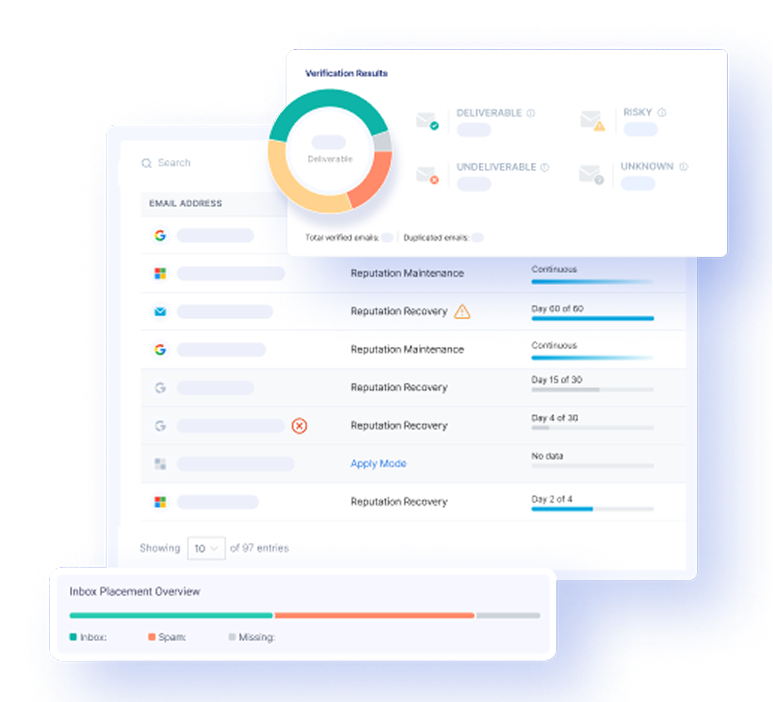
When you need quick certainty about blacklist issues, EasyDMARC’s IP/Domain Reputation Checker steps in to detect blacklist entries within minutes. It scans your IP or domain against major blocklists and notifies you if any DNS blackhole list has flagged you. This provides a clear confirmation and helps you act before the issue worsens.
Common Reasons for DNS Blackhole List Entries
Such DNS-based records flag IPs and domains when their email activities look suspicious or unsafe. It usually checks how your server behaves, what kind of traffic comes from it, and if your messages adhere to the basic security and permission rules. Let’s understand the reasons better:
High Spam Complaints
When too many recipients mark your emails as spam, mail providers send these reports to reputation systems. The blackhole list reads this data and assumes your IP is sending unwanted mail. Complaints usually rise when you send to non-opt-in lists or share content that feels unexpected to receivers.
Sending Unsolicited or Bulk Emails
If your list is unverified or scraped, many addresses bounce or react negatively. This pattern appears to be spam traffic to the list. Also, a sudden increase in email volume is considered a red flag. This is because normal senders have consistent patterns, while risky ones often push emails in bulk in short intervals.
Misleading or Unexpected Email Content
When the subject or message does not match what users signed up for, servers see higher complaint and delete rates. These signals tell filtering systems that your content is not reliable. The lists rely on this behaviour to guess that your domain is failing to follow the permission-based sending practices.
Open Relay Configuration
An open relay basically means your mail server is letting anyone send emails through it without checking who they are. Spammers hunt for these servers all the time because they can blast huge amounts of junk from them. If your server is set up poorly and behaves like this, the DNS blackhole list catches it fast and adds you to the list.
Sudden Spikes in Outgoing Email Traffic
If your IP has a normal sending pattern and suddenly starts pushing a ton of emails, it looks shady. The DNS-based database notices these jumps and assumes something is phishy. It basically indicates that someone is abusing your server, or your settings are too forgiving.
Compromised or Infected Server
When malware or attackers get inside your server, they can quietly run scripts that send spam without you seeing anything. The emails often look weird in terms of timing and headers, so filters catch on quickly. The list includes these IPs because a hacked server can mess up a lot of inboxes.
Weak or Outdated Security Setup
If your server software is old or missing patches, attackers can break in pretty easily. Once they are in, they can send spam or steal access. DNS blackhole lists keep an eye on these security issues and flag the IPs that look unsafe, so other mail systems do not get hit by risky traffic.
How to Remove Your IP From Blackhole Lists
If you are unsure whether your IP address is listed on a blacklist, use our IP/Domain reputation checking tool to confirm. Our tool lists the sources in a table and provides direct links to them. Once you are sure of being blacklisted, follow these simple removal steps:
Step 1: Identify the Reason
The foremost step is to understand the factor that has put your IP on the blacklist. It could be due to any of the reasons mentioned above, such as a high spam rate, an infected server, an open relay configuration, etc. Once you know the reason, fix it before moving to the next step.
Step 2: Request Removal
After you have fixed the issue, request removal by contacting the source directly and going through the processes on their end. The usual way is to fill out a form and provide details about why your IP was blacklisted and how you have fixed the issue.
Step 3: Wait For Removal
Once you have generated the request, wait for your IP address to be removed from the DNS-based blackhole list. This can take anywhere from a few hours to a couple of days, depending on their process. Meanwhile, you continue monitoring your IP to ensure it has been successfully removed from the list.
Proactive Measures to Avoid Getting Your IP Blacklisted
Here are some tips to stay off blacklists so your email campaigns and brand reputation are not affected.
Build a Clean and Permission-Based Email List
The safest way to avoid blacklisting is to use a list that you built yourself. Do not buy lists or use addresses collected from unknown places. Let people sign up through clear opt-in forms so you know they actually want your emails. When your list is genuine, complaints and bounces stay low, which protects your reputation.
Keep An Eye On Your Send Volume and Timing
Sending too many emails too quickly can look suspicious to mail servers. Try to follow a steady sending pattern instead of large, random spikes. Also, avoid mailing people who have stopped opening your messages for a long time. Inactive subscribers silently damage your reputation and make filters less trusting.
Set Up Strong Email Authentication
Email authentication helps receiving servers confirm that your messages are real and not spoofed. SPF tells which servers can send on your behalf, DKIM adds a secure signature to every email, and DMARC ties everything together with policies and reporting.
EasyDMARC makes setting up and maintaining these protocols simpler with SPF Generator, DKIM Generator, DMARC Generator, and DMARC Lookup tools, ultimately helping you avoid unnecessary blacklisting issues.
Send Helpful and Relevant Content
Your emails should match what subscribers signed up for. If the content feels unrelated or unexpected, people delete or report it, and filters take that as a negative signal. Keep your subject lines honest, your message clear, and make sure the email is easy to read on mobile devices as well. Clean, predictable content helps maintain a healthy sender reputation.
Wrapping Up: Staying Clear of Blackhole Lists
Getting listed on a DNS blacklist can feel stressful, but most issues can be resolved with the right steps and a little patience. As long as you find the root cause, clean up your server, and follow safe sending practices, your reputation usually bounces back. Staying consistent with email hygiene and strong authentication keeps you protected in the long run.
If you want an easier way to set up and manage SPF, DKIM, and DMARC, EasyDMARC can help you do it without confusion. You can even book a demo to see everything in action.
Frequently Asked Questions
These lists note how your server behaves. If they see things like too many emails at once, open relay behavior, weird headers, or spam-like traffic, they take it as a warning. They compare your sending pattern with that of normal senders. If it looks unsafe, they flag the IP to protect other mail servers.
Yes, it can happen. Many systems look at similar signals, so if one list marks you as risky, others may also become cautious. It doesn’t always mean you will be listed everywhere, but the chances do increase, especially if the root problem is still there on your server.
It really depends on the blacklist. Some remove you fast once you fix the issue. Others take longer because the request is reviewed manually. If the problem is still active, they simply won’t remove you. Cleaning up your server and fixing the reason behind the listing usually speeds things up.
Yes, definitely. On a shared IP, your reputation is tied to everyone using that same IP. If even one user sends spam or has a hacked server, the whole IP can get flagged. That means your clean emails can also be blocked until the hosting company fixes the issue on their end.
Yes. Blackhole lists don’t only look at volume. Even small senders get flagged if their server looks unsafe, has no authentication, or shows strange sending patterns. You don’t need to send a lot to get listed. Keeping your setup secure and authenticated helps prevent this.

 We’re glad you joined EasyDMARC newsletter! Get ready for valuable email security knowledge every week.
 You’re already subscribed to EasyDMARC newsletter. Continue learning more about email security with us


