
If your domain is on GoDaddy and you send business emails, setting up a DMARC record on GoDaddy is no longer optional. Without DMARC, anyone can send emails that look like they came from your domain, which puts your brand, customers, and email deliverability at risk.
DMARC works with SPF and DKIM to help inbox providers like Gmail and Outlook determine which emails are legitimate and which should be blocked. The good news is that adding a DMARC record in GoDaddy is easy when you follow the right steps.
Here is a detailed guide on how to do it safely and simply.
Step 1. Generate a DMARC Record
Before logging into GoDaddy, you first need a DMARC record. This is a line of text that tells receiving mail servers what to do when an email from your domain fails authentication.
The easiest way to do this is by using the EasyDMARC DMARC Record Generator. It asks a few simple questions and automatically builds a correct DMARC record for you. This avoids syntax mistakes that can break your email security.
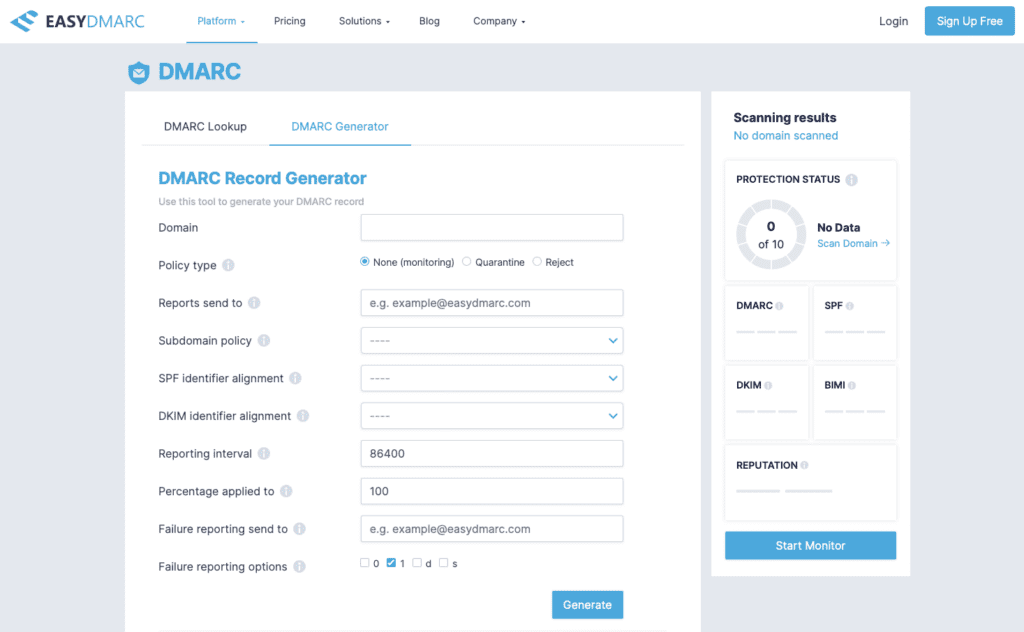
Since DMARC depends on SPF and DKIM, you will also need to create the respective records using the EasyDMARC SPF Record Generator and DKIM Record Generator.
What Information Is Needed to Create a DMARC Record?
To generate a DMARC record, you only need a few pieces of basic information, but each one plays an important role in how your email security works.
- First is your domain name. This is the domain you send emails from, like yourcompany.com. DMARC is applied per domain, so the record must match the exact domain used in the From address of your emails.
- Second is the DMARC policy. This tells inbox providers what to do when an email fails authentication.
a) p=none instructs to just monitor and send reports
b) p=quarantine instructs to send failed emails to spam
c) p=reject instructs to block them completely
- Third is an email address for DMARC reports. This is where receiving mail servers send daily reports showing who is sending emails on your behalf and whether they are passing or failing SPF and DKIM checks.
Example of a Basic DMARC Record
A basic DMARC record looks like this:
v=DMARC1; p=none; rua=mailto:[email protected];
Here is what each element means:
- v=DMARC1 tells servers this is a DMARC record
- p=none means no emails are blocked yet, only monitored
- rua is where DMARC reports are sent
When learning how to add a DMARC record in GoDaddy, starting with this kind of monitoring policy is always the safest option.
Recommended DMARC Policy for Beginners
If this is your first time setting up DMARC, the safest policy to start with is p=none. This policy puts your domain in monitoring mode. It does not block or filter any emails yet. Instead, it quietly watches what is happening and sends you reports about every system that is sending email on behalf of your domain. This includes your main email provider, marketing tools, contact forms, and sometimes even unknown or forgotten services.
Starting with p=none is important because it helps you avoid breaking real email. Many businesses use multiple tools to send emails, and blocking too early can cause important messages to go to spam or fail completely.
Step 2. Navigate to “Manage DNS”
Once your DMARC record is ready, the next step is adding it to GoDaddy.
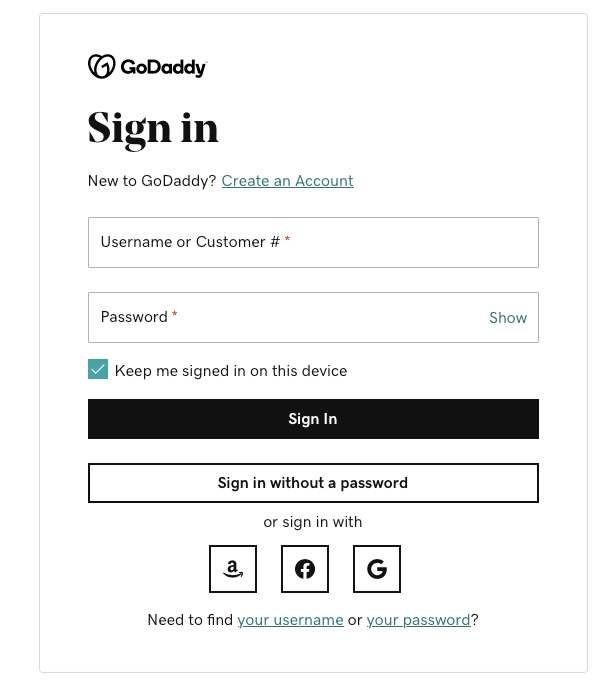
1. Here, log into your GoDaddy account:
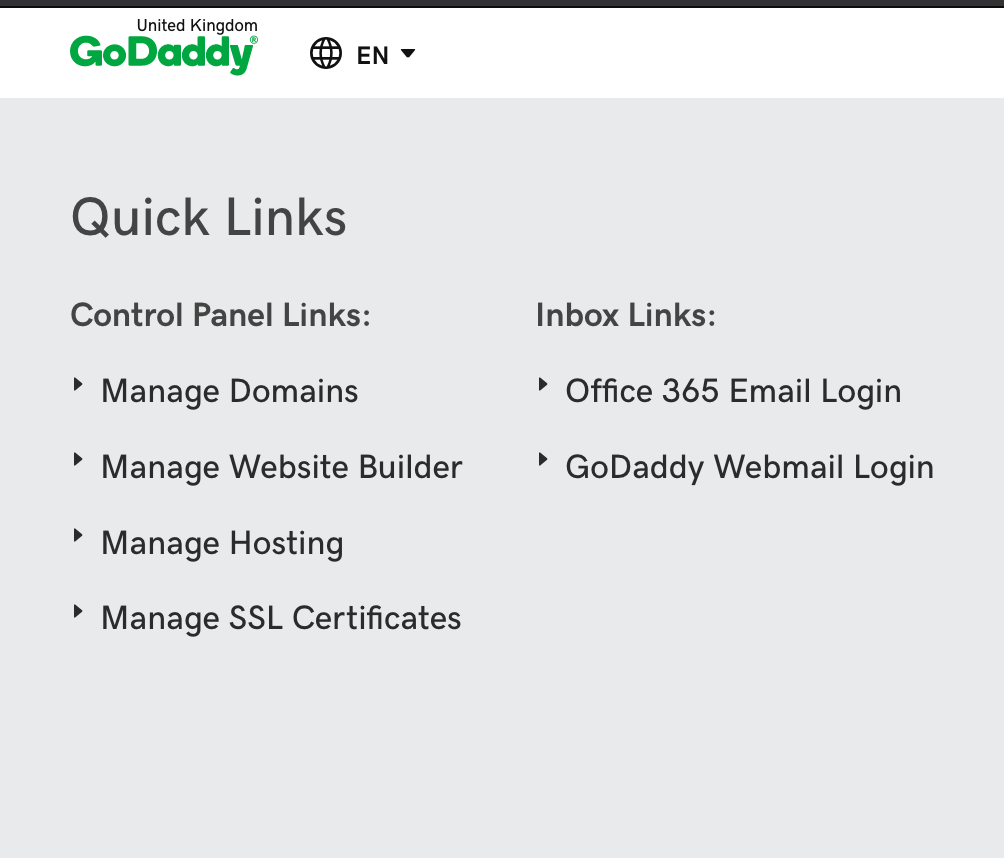
2. Navigate to “Domain Manager” and choose your domain.
3. In the Domain Settings, at the bottom of the page, click Manage DNS.
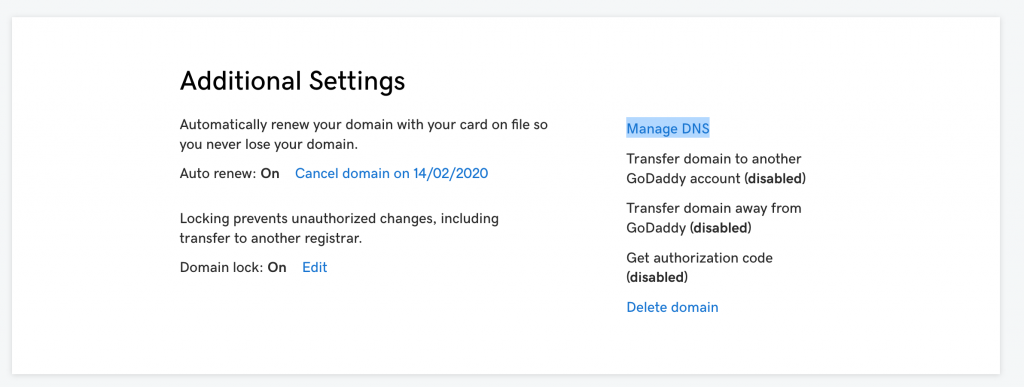
Step 3. Add a DMARC Record to GoDaddy DNS
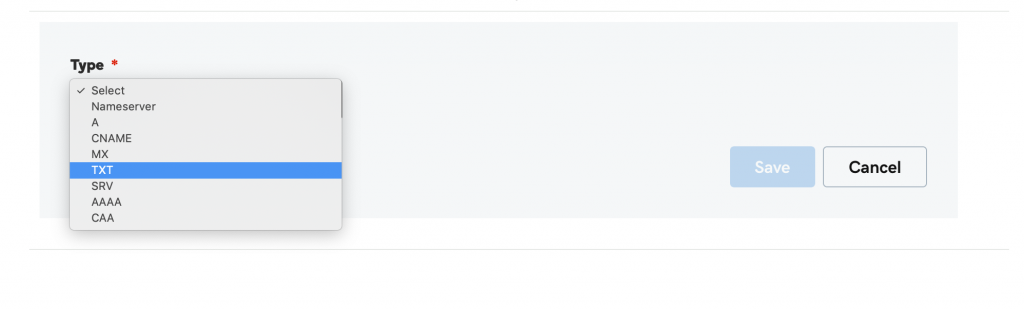
In the DNS / Records section at the bottom of the page, click “Add”. Use the generated DMARC Record for GoDaddy and add it step by step as shown below:
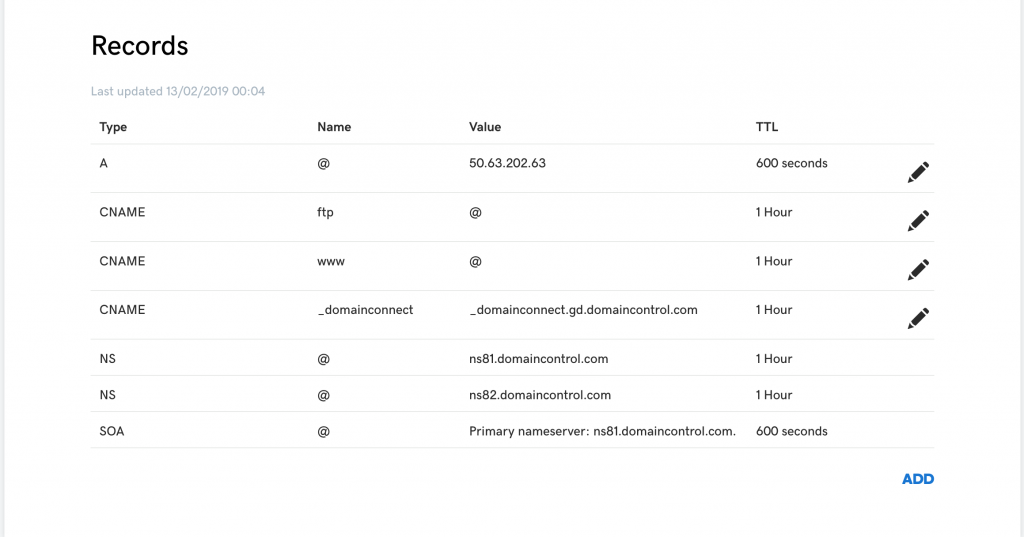
1. Make sure to select TXT type
2. In the Host section add “ _dmarc” and in the TXT value field add the DMARC record for GoDaddy.
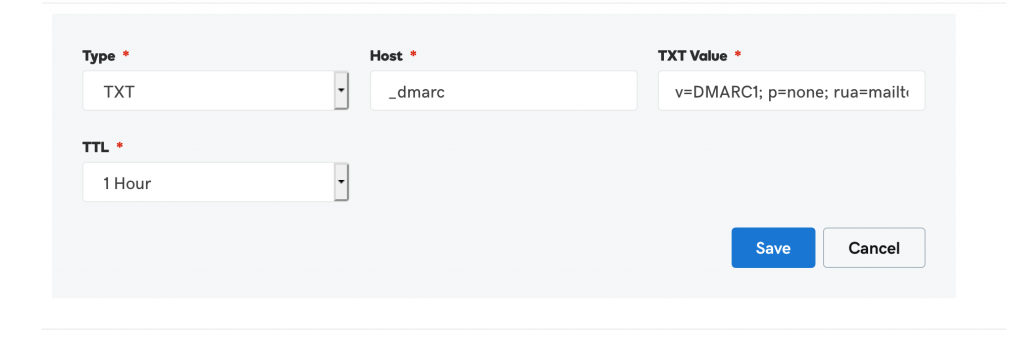
That’s it: you’ve successfully set up your domain’s GoDaddy DMARC record.
DMARC Host Name and TXT Value Explained
A DMARC host name and TXT value are the two key parts of a DMARC DNS record that tell email servers where to find your DMARC policy and what rules to follow. The host name is always _dmarc. This special label tells DNS that the record is used for DMARC and not for a normal website or email service. When an email provider receives a message from your domain, it looks specifically for a TXT record at _dmarc.yourdomain.com to check your DMARC settings.
The TXT value is the actual DMARC policy. It contains instructions like which policy to apply, where to send reports, and how strict the checks should be. This text is what controls how your domain is protected.
TTL Settings for DMARC in GoDaddy
TTL stands for Time To Live. It controls how long DNS servers around the world keep a copy of your DMARC record before checking for updates again. In simple terms, it decides how fast changes to your DMARC record will spread across the internet.
In GoDaddy, you can safely leave the TTL set to Default, or change it to 1 hour. A shorter TTL means that if you update or fix your DMARC record later, those changes will take effect more quickly. This is helpful when you are first setting up DMARC and may need to adjust your policy or fix small errors.
A longer TTL is fine once everything is stable, but during setup, keeping it low makes troubleshooting much easier.
How to Verify DMARC Record After Adding It in GoDaddy?
After you add your DMARC record in GoDaddy, wait around 10 to 15 minutes to give DNS time to update. Once that is done, use the EasyDMARC DMARC Record Lookup Tool. Simply enter your domain name and it will show whether your DMARC record is live, correctly formatted, and active.
However, DMARC does not work on its own. It relies on SPF and DKIM to decide whether an email is real or fake. That is why it is important to also run the SPF Record Lookup and DKIM Record Lookup. These tools confirm that your sending servers are authorized in SPF and that your emails are being properly signed with DKIM.
Common DMARC Errors in GoDaddy and How to Fix Them
When adding DMARC record GoDaddy, a few small mistakes can stop your setup from working, even if everything looks fine on the surface.
Wrong host name
The DMARC host must always be _dmarc. If you enter your full domain instead, the DMARC record GoDaddy will not be detected by email servers.
Invalid formatting
DMARC records are very sensitive to formatting. A missing semicolon, extra space, or typo can break the record. Using the EasyDMARC generator helps avoid these errors.
No SPF or DKIM
DMARC relies on SPF and DKIM to verify emails. If either one is missing or misconfigured, DMARC will fail, even if the record exists.
Reports not being delivered
If the rua email address is wrong or inactive, you will not receive DMARC reports, which means you lose visibility into your email traffic.
These issues are common when learning how to add DMARC record in GoDaddy, so always run a lookup after saving to confirm everything is working.
EasyDMARC Can Help
Setting up DMARC in GoDaddy is one of the most important steps you can take to protect your domain from email spoofing, phishing, and deliverability issues. When DMARC is correctly configured alongside SPF and DKIM, inbox providers can trust your emails and safely block anything that tries to impersonate you.
But managing DMARC manually can quickly become confusing. You need to monitor reports, track all sending sources, and make sure nothing breaks as your email setup changes. That is where EasyDMARC makes things simple.
With EasyDMARC’s free 14 day trial, our platform handles DMARC, SPF, and DKIM for you. We automatically analyze your sending sources, generate the right records, and alert you if something goes wrong, so you do not have to deal with DNS guesswork or raw DMARC reports.
If you want strong email protection without the hassle, start your free trial and let us take care of the rest.

 We’re glad you joined EasyDMARC newsletter! Get ready for valuable email security knowledge every week.
 You’re already subscribed to EasyDMARC newsletter. Continue learning more about email security with us